



This website uses cookies so that we can provide you with the best user experience possible. Cookie information is stored in your browser and performs functions such as recognising you when you return to our website and helping our team to understand which sections of the website you find most interesting and useful.
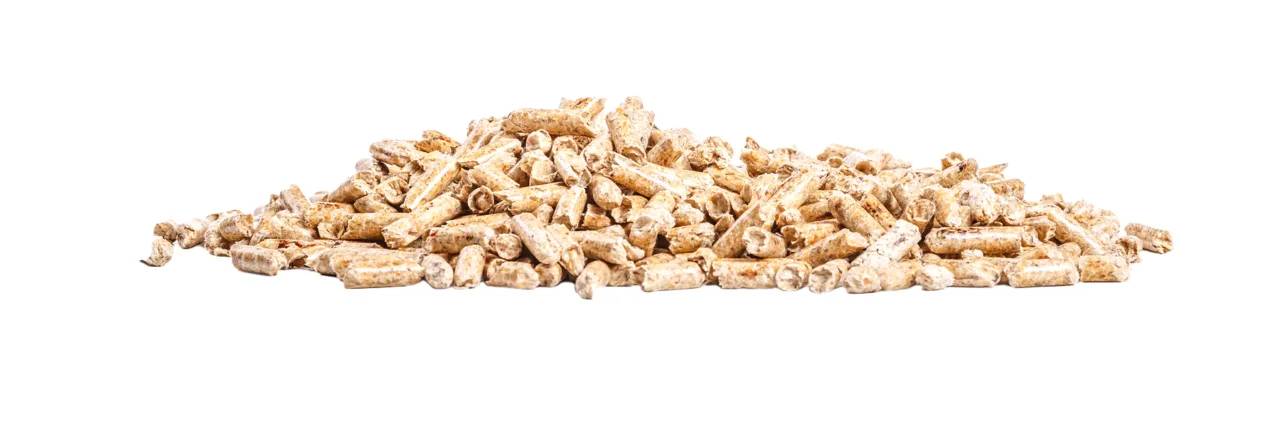
Bitus Latvia kokskaidu granulas.
Bitus Latvia SIA specializējas augstas kvalitātes apkures granulu ražošanā, izmantojot kokapstrādes procesā radušās egles vai priedes kokskaidu. Mūsu uzņēmums garantē izcilu apkures granulu kvalitāti, augstu siltumatdevi un zemu pelnu saturu, nodrošinot efektīvu siltuma ģenerēšanu, samazinot nepieciešamo granulu daudzumu apkures procesā.
Mūsu ražotajām apkures granulām ir augstāka siltumietilpība 18.15 MJ/kg nekā to paredz kvalitātes sertifikāts ENplus A1 (līdz 16.5 Mj/kg), kas nozīmē, ka mājas apkurei būs nepieciešams mazāks granulu apjoms, lai nodrošinātu optimālu siltuma līmeni, ieekonomējot arī kopējās izmaksas.
Turklāt mūsu apkures granulām ir zemāks pelnu saturs salīdzinājumā ar augstāko ENplus A1 kvalitātes standartu, kas nosaka pelnu saturu ne vairāk kā 0.7%. Mūsu granulās šis rādītājs sasniedz tikai 0.4%, kas nozīmē mazāku pelnu daudzumu izdegšanas procesā un retāku, līdz ar to, ērtāku apkures katla tīrīšanu.
Mēs uzglabājam kokskaidu granulas tīrās, sausās telpās, nodrošinot, ka tās nav piesārņotas ar smiltīm vai citiem nevēlamajiem piemaisījumiem. Šī tīrība garantē, ka granulas nekaitē apkures iekārtu darbībai, rūpējoties par Jūsu apkures katla ilgtspēju un efektivitāti.
Uzticieties mūsu kokskaidu granulām un izbaudiet mājīgu siltumu, zemas apkures izmaksas un videi draudzīgu risinājumu savai mājai vai uzņēmumam!
Bitus Latvia SIA – uzticams partneris Jūsu mājas siltumapgādes nodrošināšanai!
| Mitruma daudzums | līdz 10 % |
| Pelnu saturs sausam materiālam | līdz 0.40% |
| Siltumspēja zemākā (neto) | no 4.8 kWh/kg |
| Pelnu kušanas temperatūra | 1500 grādi C |
| Tilpumblīvums | 600-750 kg/m3 |
| Izmērs | Ø6mm |
Granulu cenas.
Kokskaidu granulas 6mm, fasētas 16kg maisos.
| Privātpersona (ar PVN 12%) | |
|---|---|
| 1 tonna | 224,00 EUR |
| 1 palete (960kg) | 215,04 EUR |
| Viens maiss (16kg) | 3,58 EUR |
| Juridiska persona (reversais PVN) | |
|---|---|
| 1 tonna | 200,00 EUR |
| 1 palete (960kg) | 192,00 EUR |
| Viens maiss (16kg) | 3,20 EUR |
Granulu piegāde.
Bitus Latvia SIA nodrošina piegādes servisu, kas aptver visu Latvijas teritoriju, kā arī iespēju izņemt pasūtījumu uzņēmuma ražotnē Cēsīs.
Mēs piedāvājam arī iespēju piegādāt kokskaidu granulas beramā veidā ar mašīnu, kas ir aprīkota ar pneimo transportēšanas sistēmu, ar kuru varam piepildīt bunkurus, tvertnes un citas uzglabāšanas vietas, kas ir paredzētas kokskaidu granulu uzpildīšanai un uzglabāšanai.
Piegādes iespējas un izmaksas ir atkarīgas no piegādes adreses un pasūtījuma apjoma. Sazinieties ar mums, lai precizētu informāciju!
Saziņai.
Granulu tirdzniecība
+371 64107102
granulas@bitus.lv